Medical Dermatology2024-10-03T17:49:51-04:00

Medical Dermatology

Serving Greater Grand Rapids & West Michigan Lakeshore Areas

Our medical dermatology services focus on diagnosing and treating a wide range of skin conditions, from common concerns like rashes and growths to more complex or rare diseases. Our team combines scientific precision with individualized treatment plans, ensuring that every patient receives the highest level of care. Whether managing everyday skin issues or serious conditions like skin cancer, we are committed to delivering the best possible outcomes for our patients.
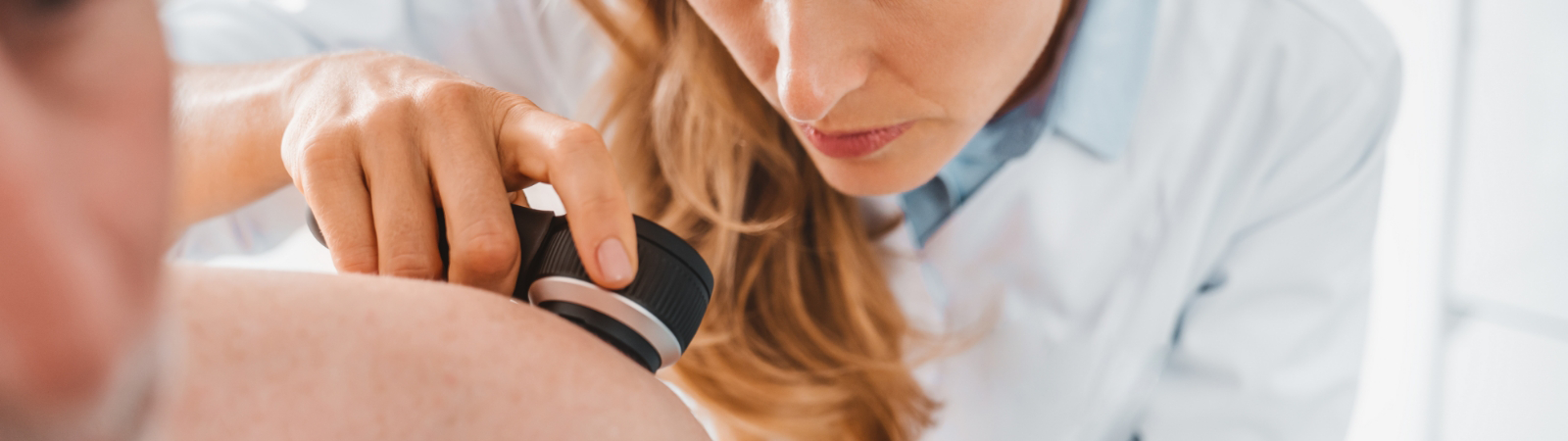
A medical professional closely examines a patient's skin using a dermatoscope.

Skin Cancer Screening & Treatment

Regular skin examinations, particularly for those with a history or a family history of skin cancer, is the best method of detecting skin cancers at an early state. Early detection of an abnormal tissue or cancer may make it easier to treat.

General information about Skin Cancer:

Skin is the body’s largest organ and its job is to protect the body from heat, injury and infection. Additionally, our skin regulates body temperatures and preserves the resources that our bodies need to survive.

Skin cancer can be one of three types:

This type of skin cancer usually develops in exposed areas of the body. It is mostly associated with long term exposure to the harmful UV rays of the sun. It is the most common of all skin cancers and it very rarely spreads beyond the skin.

This is the second most common skin cancer and when caught early, most SCCs are curable. SCC is also associated with sun exposure. Other risk factors are a weakened immune system and a history of other skin cancers.

This form of cancer begins in melanocytes (the cells responsible for making the pigment in our skin also known as melanin). Like BCCs and SCCs, Melanoma is associated with sun exposure. It can be treated successfully if caught early. Melanoma may spread to other areas of the body. It is important to watch for new or evolving moles and to notify your provider if you see anything changes

The common culprit for most skin cancers is sun exposure, so take steps to protect yourself by covering your skin and limit your time in the sun. Always use a broad-spectrum mineral sunscreen. If you would like some recommendations on sunscreens, please visit our Skin Revitalizing Center.

Skin cancers can be treated by a variety of methods. If you are diagnosed with skin cancer, your provider will recommend the best treatment.

A healthcare professional examines the skin on an older woman's upper back using a medical instrument. Both are wearing glasses.

Mohs Surgery

The term Mohs surgery refers to a highly specialized procedure for the total removal of skin cancers. Mohs, as an acronym, stands for Microscopically Oriented Histographic Surgery.

We perform the Mohs fresh tissue technique:

  1. We apply local anesthesia to the affected area.
  2. We surgically remove the lesion.
  3. We mark the excised tissue with colored dyes to distinguish top from bottom and left from right and then examine it under a microscope.

By doing this, we are able to pinpoint the exact location of any remaining tumor during the microscopic examination. If more cancer is found, the entire procedure is repeated, but only in the area of the remaining cancer. Only with the careful, systematic microscopic examination of the removed skin can one be as certain as possible that no cancer remains.

Try to get a good night’s rest, eat a light breakfast, and get to the office early. If you have an afternoon surgery, eat a light lunch. If you’re taking any medication, take it as usual unless we direct otherwise. It is not necessary to avoid medications that contain aspirin prior to surgery, unless specifically directed to do so by our office.

It’s a good idea to bring a book or magazine with you on the day of surgery. The procedure may take a full day, most of which you will spend in the waiting room waiting for your tissue to be examined.

Here’s a checklist for the day of surgery:

  1. Eat a light breakfast or lunch.
  2. Wear comfortable clothing.
  3. Bring a book or craft.
  4. Bring a relative or friend. (Please limit to one person)
  5. Drink NO alcoholic beverages for 24 hours prior to surgery.

Each step (or stage) of the surgical procedure takes on the average about 15 minutes. The time may be longer in extensive cases. Appointments for surgery are usually scheduled early in the day. This allows us to continue the surgical steps throughout the entire day if necessary.

The nurse/medical assistant will escort you to an operating room where a local anesthetic will be used to numb the skin to minimize discomfort. Be sure to inform our doctors if you experience any pain during surgery.

The next step is for the surgeon to remove a layer of skin involved by the cancer. After this tissue has been carefully removed, bleeding is stopped with cautery, which generates heat. You may feel this slightly. Before you leave the treatment room, the nurse will dress your wound, and by the time you get to the waiting room, the removed tissue will be in the laboratory where it is being prepared for microscopic examination.

The most difficult part of the procedure is waiting for the results of the surgery. It usually takes one to two hours to prepare the slides from the removed tissue, although sometimes it may take longer. Please remain in the waiting room during this period. It may be pleasant to have company while sitting in the waiting room. However, only bring one person with you, as seating in the office is limited.

If examination of the slide reveals that your tissue still contains cells of skin cancer, the procedure will be repeated as soon as possible (unless paste is used or you are staying in the hospital). Several surgical excisions and microscopic examinations may have to be done in one day, and seldom is it necessary to have a patient return the following day for additional surgery.

After the surgery, it usually takes about one to two hours for the slides to be prepared for the physician to complete the complex microscopic examination. Several surgical stages and microscopic examinations may be required. It is recommended that you have someone drive you home after surgery.

Most patients do not complain of pain. However, pain is an individual phenomenon and if you’re uncomfortable, we recommend taking 2 tablets of Tylenol every 4 hours. Avoid aspirin-containing compounds (such as Anacin or Bufferin) as these may produce bleeding.

All wounds develop a small, surrounding halo of redness, which disappears gradually. Swelling is very common following MOHS surgery, particularly when it is performed around the eyes. All wounds show a moderate amount of swelling. Usually this is not a problem. All wounds normally drain, which is why we usually insist on frequent dressing changes. Infection is unusual. Other possible complications include mild bleeding during the operation and a reaction to the local anesthetic used, the latter being a very rare problem.

When we have determined that the skin cancer has been completely removed, we will determine the best treatment for the wound created by the surgery. Usually there are three choices: 1) To close the wound with stitches, 2) to let the wound heal by itself, 3) to cover the wound with a skin graft or flap. We will recommend which of these choices will be best for your individual case.

Very occasionally, there is continued bleeding following the surgery. If this occurs, lie down, remove all of the bandages except the layer closest to the skin, and place steady, firm pressure over the wound as close as possible to the area that is bleeding. Apply the pressure continuously for 15 minutes (timed). Do not lift the bandage to check on the bleeding. If the bleeding persists after 15 minutes of steady pressure, notify our office or go the nearest emergency room.

Severe itching with extensive redness usually indicates a sensitivity to the ointment used to dress the wound or a reaction to adhesive tape. You should call our office if this develops.

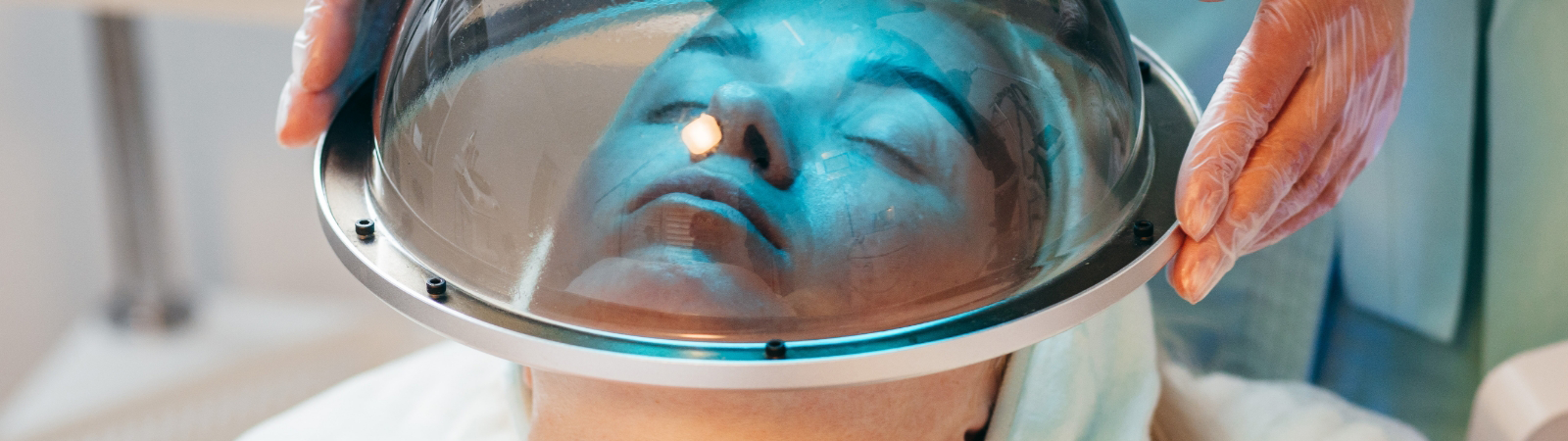
A person lies with their face under a circular glass dome, while gloved hands hold the dome in place, suggesting a skincare or facial treatment procedure.

Blue Light Photodynamic Therapy (PDT)

Using a specific device with a blue fluorescent light and a topical medication, photodynamic therapy (PDT) can be an effective way to treat sun damage, actinic keratosis, or precancerous growths. Under certain circumstances, PDT is used for the treatment of acne. It is notable to mention that some research shows that PDT therapy may destroy cancer cells that have not yet formed, thereby decreasing the risk of skin cancer in the future.
A topical medication is applied to the skin prior to the treatment and is allowed to incubate for a specific duration of time. The blue fluorescent light aimed at the area to be treated activates the topical medication. This causes the selective destruction of abnormal precancerous cancer cells.

PDT is generally well tolerated and safe. After your appointment, you will notice that the treated area becomes quite red. Some say that it looks and feels like a sunburn. It is common for the skin to flake and peel for several days and for up to two weeks. Please avoid sunlight (and even bright indoor lights) for the first 48 hours after treatment.

Some patients report vision sensitivity to bright lights. Wear protective eyewear or goggles for a few days after your treatment to minimize this effect.

Other side effects to expect are swelling and itching at the site that was treated. These symptoms generally subside in a few days.

If these side effects are bothersome or last beyond one week, please call our office.

We recommend two to three sessions depending on the severity of the condition being treated. Your provider will discuss this with you prior to your appointment.

A woman with long hair examines her face in a mirror, pointing at a small blemish on her cheek.

Acne Treatment

Acne is a very common skin condition in males and females that occurs when the hair follicles under the skin become clogged with oil and dead skin cells. Acne can occur at any age, although it is most common in teenagers.

Managing acne takes commitment as acne can be very persistent. Acne varies in severity from mild small red bumps, to painful cystic lesions. There are many treatment options available, some are topical medications and some are ingested medications. Regardless of the medication you are on, it is important to keep your skin clean and to avoid touching or picking at your acne.

At home, try salicylic acid or benzoyl peroxide products which are available over the counter. If your skin doesn’t clear, your dermatologist may prescribe a topical medication or in some cases, antibiotics. If you do not see improvement with any of these methods, your doctor will discuss oral retinoids (Accutane) as an option.
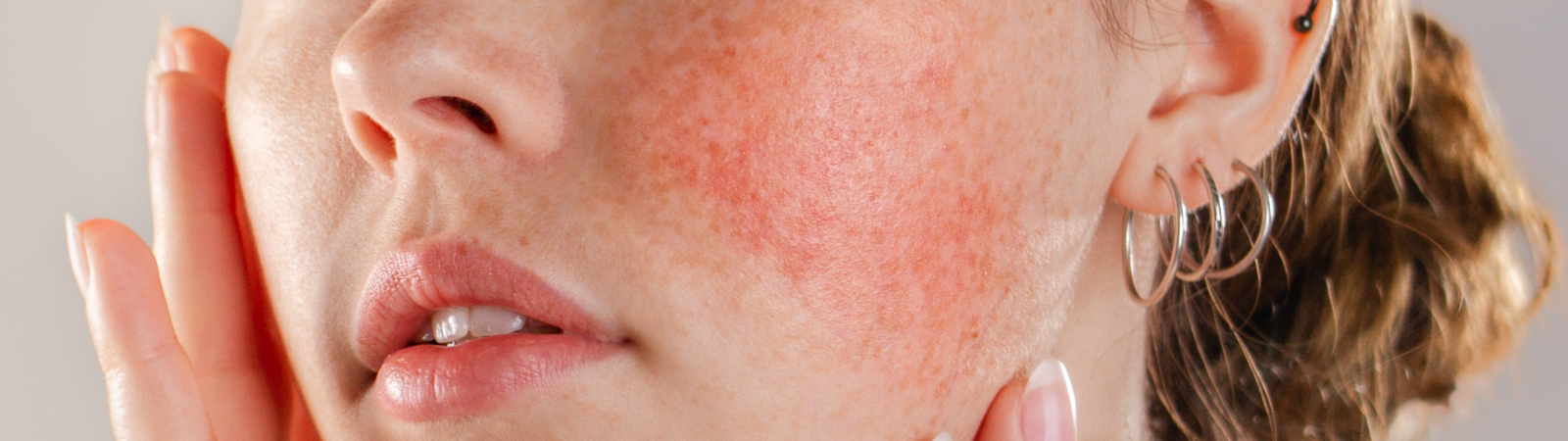
A close-up of a person's face showing red, irritated skin on the cheek. The person is gently touching the affected area with their hand.

Rosacea

Rosacea is a very common skin condition that affects males and females alike. Symptoms include skin that is red or flushes easily, swollen eyelids, visible veins and in some cases, an enlarged nose or swollen bumps. While the cause of rosacea is unknown, there are elements that may cause flare-ups such as stress, exercise, alcohol, exposure to sun or wind, and allergic reactions to some products.

While a cure is not available, there are treatments that can help manage the severity of the symptoms. Those include topical products, antibiotics, or laser treatments. Your provider will discuss your condition in detail with you and recommend the best treatment option to help manage your symptoms.
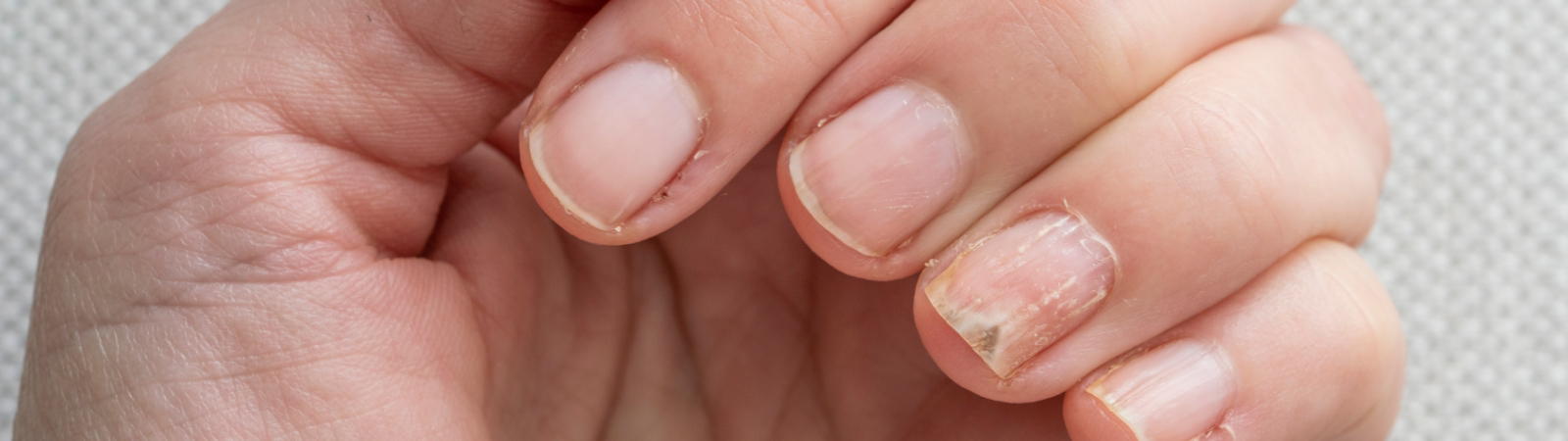
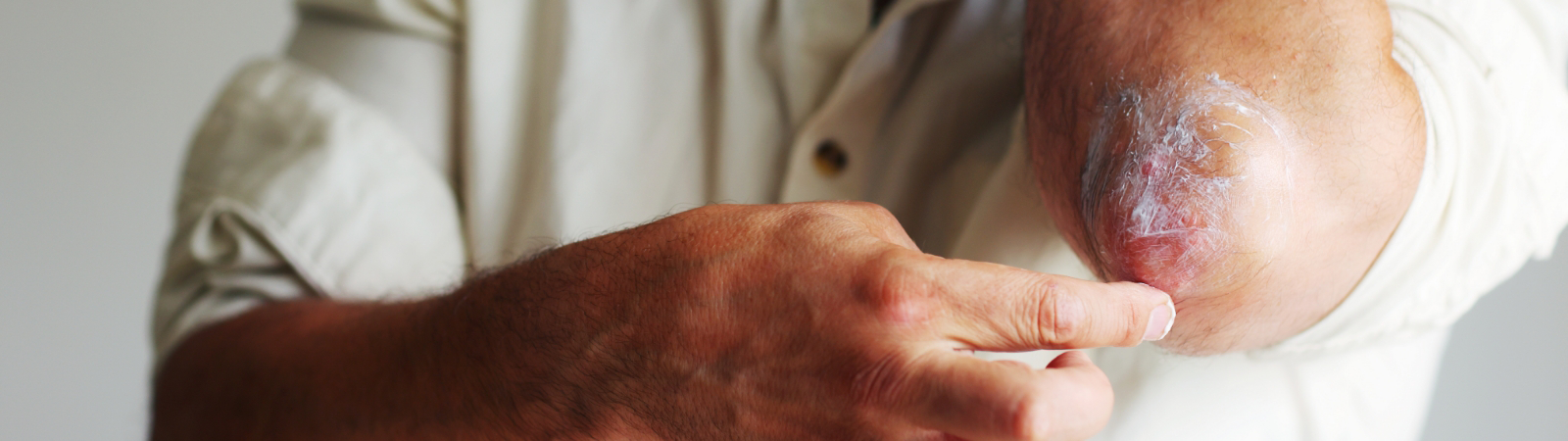
Close-up of a hand with damaged fingernails showing signs of peeling, discoloration, and brittleness. The background is a soft, textured surface.

Diseases of the Hair & Nails

Changes to the color and texture of the nail may seem harmless but it could also be indicative of other underlying diseases. It is important that you discuss any changes you notice in your fingernails and toenails to your provider. At West Michigan Dermatology, we diagnose and treat fungal nail infections and cancers. Things to watch for are dark streaks on the nail, nails that are lifting up off the nail bed, nail discoloration or pitting, nail thinning, or any other changes that are out of the ordinary for you.

Hair loss (alopecia) is a common condition that could be attributed to aging or genetics. It can also be attributed to a range of health issues such as vitamin deficiency or hormonal imbalance. For women, the most noticeable sign is a widening part and less fullness. Often, it affects more than the scalp and some people may notice that they are losing their eyebrows, eyelashes or beards. Your dermatologist can help you determine what treatment options are available to you.
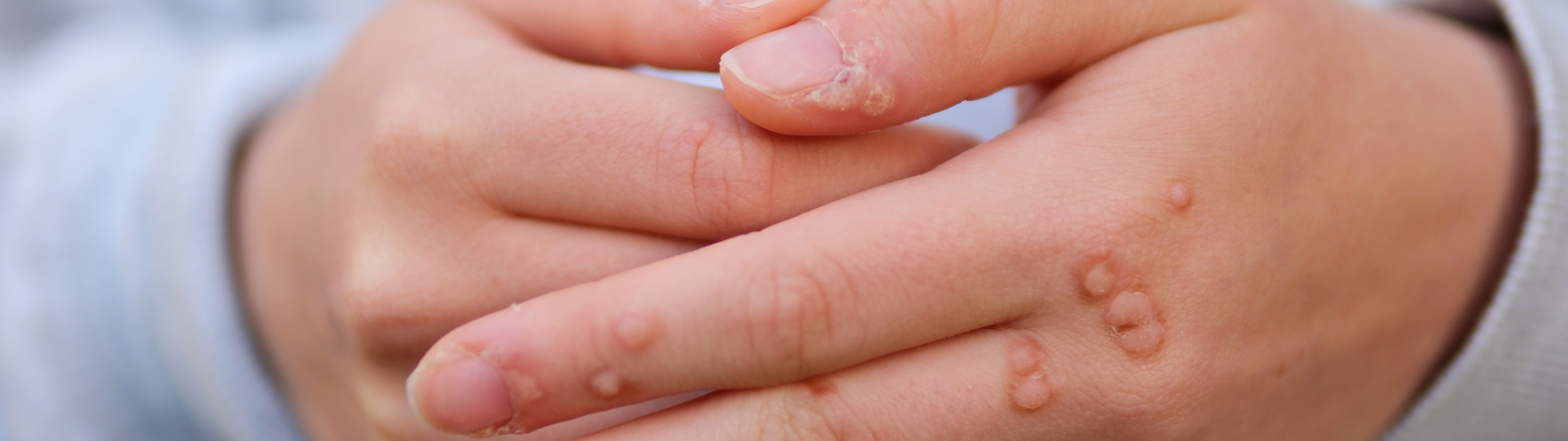
Close-up of hands with several small warts on the fingers and nails.

Warts

A wart is a defined as a fleshy painless bump on the skin or mucosa caused by the HPV (human papillomavirus). Warts can cause distress due to their unattractive nature, and they can occasionally itch or cause mild pain.

Over-the-counter medications can help but often the care of a dermatologist is needed. Some warts may need to be surgically removed and biopsied. Treatments range from over-the-counter medication to prescription medication based on its type or severity. Contact your dermatologist if you develop pain, if you notice warts are in the genital area, if the area around the wart becomes red, or if you notice discharge or develop a fever.

Medical Dermatology Services

Other Services Available

Can’t find the service you are looking for? Contact us for a full list of available medical dermatology services at a location near you.

Older couple smiling and looking into a mirror, both dressed in white shirts, touching their necks.

The Skin Revitalizing Center

FAQs

What is your Patient Financial Policy?2025-06-12T15:01:38-04:00

You can learn about our Patient Financial Policy on our Patient Resources page. If you have any questions, please contact us.

What is the late policy for appointments at the Skin Revitalizing Center?2025-06-12T14:55:03-04:00

Our policy is to request that you be on time for your appointments. If you are more than 10 minutes late, you may be asked to reschedule. This policy is in place to ensure that your provider is able to give each patient the attention and service they deserve while allowing time for proper sanitation and preparation between appointments. Click the link to learn more about our Appointments & Cancellation policy. Thank you for helping us stay on time!

I have some significant acne on my face and body. Can one of your estheticians treat me?2024-09-30T16:18:28-04:00

If you have significant acne that has not been evaluated by a medical professional, we recommend that you schedule an appointment with one of our medical providers.

Once you have made some progress through the medical treatment plan they create for you, The Skin Revitalizing Center can help you achieve maximum benefit with a proven regiment of skincare treatments and products.

Do I need to wear sunscreen in the winter?2024-09-08T14:57:56-04:00

Yes, it is important to wear sunscreen, even in the winter. UVA rays are present at the same strength all year long. Wearing sunscreen is a great way to protect yourself from the rays that can cause skin cancer and wrinkles. Shop our sunscreens online or in person today!

Do treatment packages expire?2024-09-17T15:32:56-04:00

Yes, the treatment packages expire two years after purchase.

Shop Online

Find all of your favorite skin care products online with West Michigan Dermatology. We can ship them directly to your house!

Go to Top